Get Inspired
Italian and Arabic Cuisine: The Art of Letting Ingredients Speak


In Italian and Arabic cuisines, ingredients take centre stage, emphasising that better components lead to better dishes and reminding us that food is a universal language. It brings us back to the basics, exceeding geographical boundaries and cultural differences.
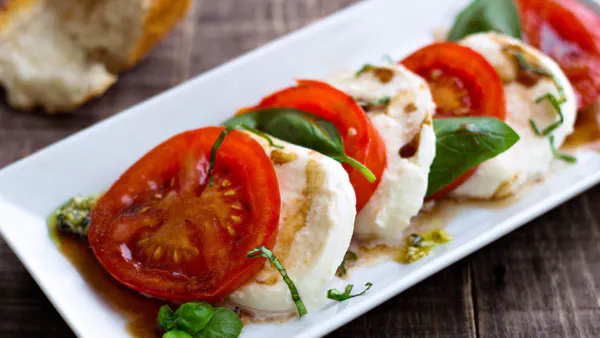
Whether slicing a juicy tomato for a Caprese salad or grinding cardamom for an Arabic stew, both cultures embrace simplicity, allowing authentic ingredients to shine without overcomplicating the process.
Italian Cuisine: The Importance of Sourcing
In Italian culinary tradition, simplicity highlights the quality of ingredients, allowing them to speak for themselves. A vine-ripened tomato or aged Parmigiano-Reggiano can effortlessly transform a basic dish into an unforgettable experience.
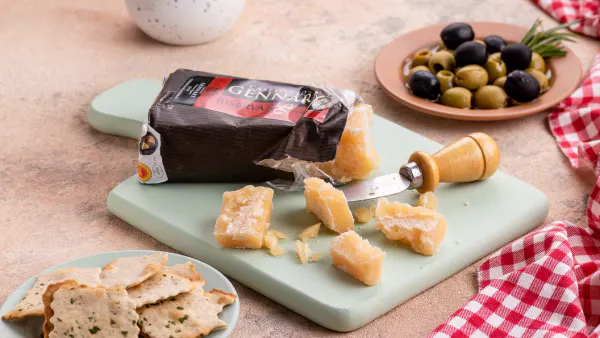
It's not about complex techniques but about letting the ingredients shine. Cooking with farm-fresh tomatoes or handmade pasta demonstrates that sourcing locally and seasonally is not merely about flavour—it reflects a way of life.
Arabic Cuisine: A Celebration of Spices
Much like Italian cuisine, Arabic cooking places great value on its ingredients, with spices, fragrant herbs, premium meats, and oils playing a key role in many traditional dishes. Beef and lamb, in particular, are often at the heart of celebratory meals, featured in beloved dishes like Emirati Machboos and Saudi Kabsah. These meats are prepared with care, allowing their rich, natural flavours to shine—similar to how Italians focus on the quality of their tomato sauce or pizza toppings.
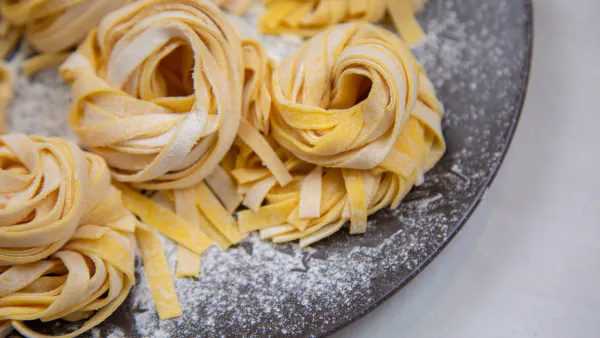
Arabs also share Italy’s appreciation for fresh pasta. Whether homemade or artisanal, pasta finds its way into many meals, offering a hearty, versatile base that pairs well with local spices and sauces.
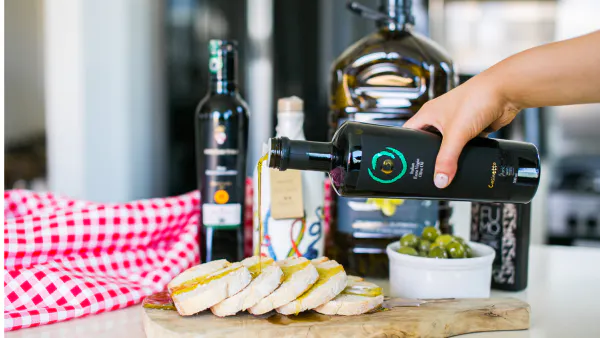
Extra virgin olive oil is another cornerstone of Arabic kitchens. It’s drizzled over salads for a fresh, fruity richness or served simply as a dip for bread, letting its pure, unadulterated flavour stand out. Just like with spices, the use of high-quality olive oil highlights the Arab emphasis on fresh, authentic ingredients.
Where Italy Meets the Arab World
Despite their geographical separation, these two cuisines find common ground in their deep respect for quality ingredients. Whether Italian chefs or Arabic cooks, both allow high-quality ingredients to take centre stage in their simple recipes, letting them shine without unnecessary embellishment.
This connection leads to intriguing culinary fusions where Italy meets the Arab world. Tuscany's hills produce olive oil, central to Italian dishes, while the Arabian deserts offer dates, saffron, and limes that flavour their cooking.
To experience this clearly, try a fusion dish like traditional Italian risotto infused with Arabic dried limes, which perfectly balances the risotto's creaminess with the limes' sharp, citrussy flavour.
This harmonious blend highlights how quality ingredients can transcend borders, creating new culinary experiences that unite cultures.
The Universal Mantra: Quality Ingredients Make the Dish
In both Italian and Arabic kitchens, the mantra remains the same: quality ingredients make the dish. This shared belief highlights that the soul behind every culinary creation lies in its ingredients, tying us back to the core of these rich traditions
Next time you cook, whether an Italian classic or an Arabic favourite, consider the journey of your ingredients and let them tell their story.
Embracing quality and authentic ones transforms your dish and bridges cultural divides, connecting us through shared values and traditions.
Next time you cook, whether an Italian classic or an Arabic favourite, consider the journey of your ingredients and let them tell their story. Embracing quality and authenticity transforms your dish, bridging cultural divides and connecting us through shared values and traditions.
Source your authentic and flavourful ingredients from Casinetto, where a commitment to the highest quality ensures that the essence of your dishes remains true to their roots.
Buon Appetito
Posted on October 11, 2024
Every Dessert Has a Season. Tiramisu Didn't Get the Memo
Every dessert has its season. This is not an opinion, it's just true, and somewhere inside you, you already know it. Chocolate lava cake is in December. The kind of thing you order when it's cold outside and you've stopped pretending to care about anything. Panna cotta is July, white, minimal, barely there, like it's also too hot to try. Crumble is October without question. Apple, pear, whatever's in the bowl, it belongs to grey skies and Sunday afternoons and the specific melancholy of a season ending. These desserts have their moment. They know it. They stay in their lane. Tiramisu does not stay in its lane Tiramisu shows up in January when you need something that feels like a decision. It shows up in April because the weather is nice and why not. It's on the menu in August at that outdoor restaurant and you order it even though it's 38 degrees because of course you do. It appears at Christmas, at birthdays, on a Wednesday with no occasion whatsoever. It does not check the calendar. It does not ask if this is a good time. And the thing is, it's never wrong. That's what separates it. Seasonal desserts are right once a year, maybe twice. Tiramisu is right in the way that a good espresso is right, in the way that sitting down after a long day is right. Not because of the weather. Because of what it does. It lifts. That's the whole job, and the job doesn't have an off-season. There's a reason Italian nonnas aren't making tiramisu only in autumn. There's a reason it's on every menu, in every month, in every city that has ever decided to take dessert seriously. It's not nostalgia. It's not a habit. The combination, espresso, mascarpone, cocoa, patience, works on a human being regardless of what the temperature is outside. Some things are just built differently The ones that prove it every time, in every season, start with the right ingredients. Mascarpone that tastes like it came from somewhere specific. Savoiardi that haven't forgotten what they're for. Cocoa that finishes clean. Not seasonal. Not occasional. Just right.
Casinetto Named Best Gourmet Food Supplier by CPI Media Group
We're proud to announce that Casinetto has been recognised as Best Gourmet Food Supplier by CPI Media Group, a distinction that reflects years of dedication to elevating the regional culinary landscape. What This Recognition Means This award acknowledges more than our product portfolio—it recognises our role as a trusted partner to the UAE and KSA's most discerning culinary professionals. From Michelin-starred kitchens to boutique delis, our clients rely on us to source ingredients that meet the exacting standards their reputations demand. The selection process evaluated suppliers across multiple criteria: product authenticity, supply chain reliability, portfolio diversity, and commitment to quality assurance. CPI Media Group's rigorous assessment underscores what sets Casinetto apart in an increasingly competitive market. The Casinetto Standard Excellence in gourmet food supply isn't just about logistics—it's about curation. Every product we represent, from French artisanal cheeses to Italian charcuterie, Spanish olive oils to premium pantry essentials, undergoes careful evaluation for provenance, quality, and market fit. Our team works directly with producers across Europe and beyond, ensuring traceability, authenticity, and consistent availability. This direct-source approach means our partners get more than products—they get the story, the expertise, and the assurance that comes with genuine partnerships. Looking Ahead As the regional F&B sector continues to evolve, so does our commitment to bringing the world's finest gourmet products to the Gulf. This recognition from CPI Media Group validates our approach and motivates us to raise the bar even higher. To our restaurant partners, retail clients, and culinary professionals who trust us with their most important ingredient decisions: thank you. Your standards drive our excellence. The best tables in the region deserve the best ingredients. That's the promise we renew with this recognition.
Italian Cuisine at the Heart of UNESCO’s Cultural Heritage
UNESCO has given special cultural heritage status to Italian cooking, viewing it as so much more than simply a set of recipes. This award honours Italian cuisine as a living tradition, as something to be practised, shared and handed down from one generation to the next. National favourites like pizza were already on UNESCO’s Intangible Cultural Heritage list, but this respect extends beyond that. It honors italian traditional cooking in its entirety, and the way it is taught, preserved and practised all over Italy, both at home, where the teachings have been passed down from generation to generation in families, and through other venues such as home kitchens, food schools for young children and adults as well. Italian Prime Minister Giorgia Meloni, who has championed the recognition of Italian cuisine since her election, captured its essence perfectly when she said that Italian cuisine is not just food or a set of recipes, but a culture, tradition, labour, and collective wealth. What Does This Mean? For millions of food lovers worldwide, this recognition is a reminder that the cuisine of Italy is worth slowing down to savour. It celebrates cooking that honours time, technique and ingredients selected with care. From crunchy Sicilian cannoli to Calabrian ’nduja, Italian food continues to excel by being characterful, deep and rooted in place. The announcement was made during a UNESCO assembly meeting in Delhi, where the cultural agency described Italian cuisine as a powerful way of connecting with family and community, whether at home, in schools, or through festivals, ceremonies, and social gatherings. Luigi Scordamaglia, CEO of Filiera Italia, has referred to the distinction as a joint success for the entire Made in Italy supply chain, underlining the team effort behind Italian food, from producers and handicrafts people to those who renew this tradition every day. He additionally stressed the Mediterranean diet, adding that when we refer to it, we are really talking about Italian cuisine itself, which is based on balance in unity, variety and respect for produce. At Casinetto, this recognition comes all too naturally. It embodies the same virtues we admire in any product we decide to carry: authenticity, tradition and food that tells a story worth preserving. We collaborate with producers who cherish tradition, value quality ingredients and believe in the integrity of their craft rather than cutting corners. The things we have on our shelves are not the result of trend-chasing, but rather an appreciation for the stories and know-how behind them, values that, by celebrating certain practices around the world, UNESCO has decided to endorse.